
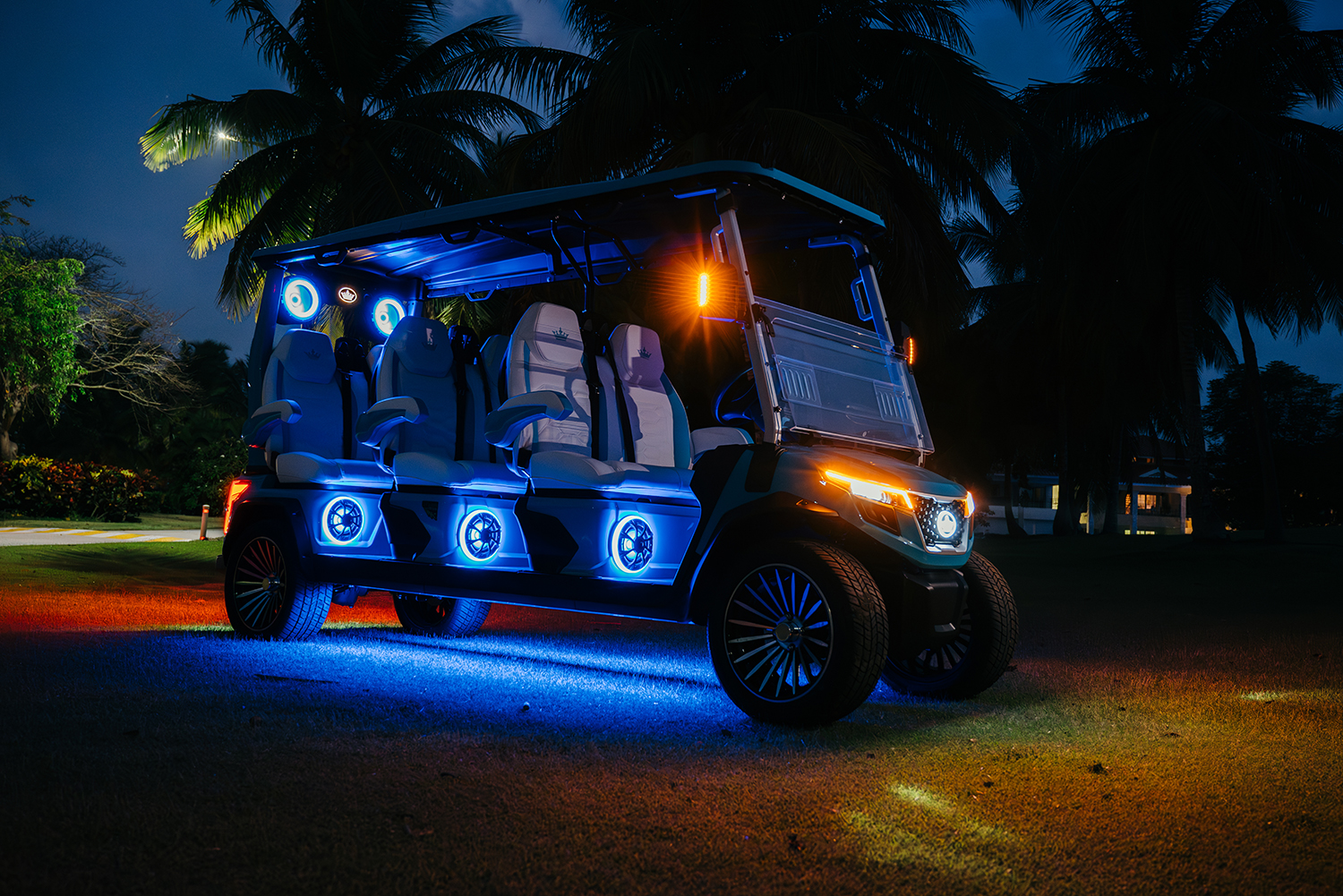

The way Americans use golf carts is changing. Once associated primarily with golf courses, today’s golf cart is increasingly being used for neighborhood transportation, family outings, shopping, dining, recreation, and other short trips. At the same time, the growing LSV (Low-Speed Vehicle) market is bringing small electric vehicles even closer to everyday transportation.
For manufacturers such as Evolution, this shift represents more than a change in golf cart design. It reflects a broader change in how consumers think about short-distance mobility.
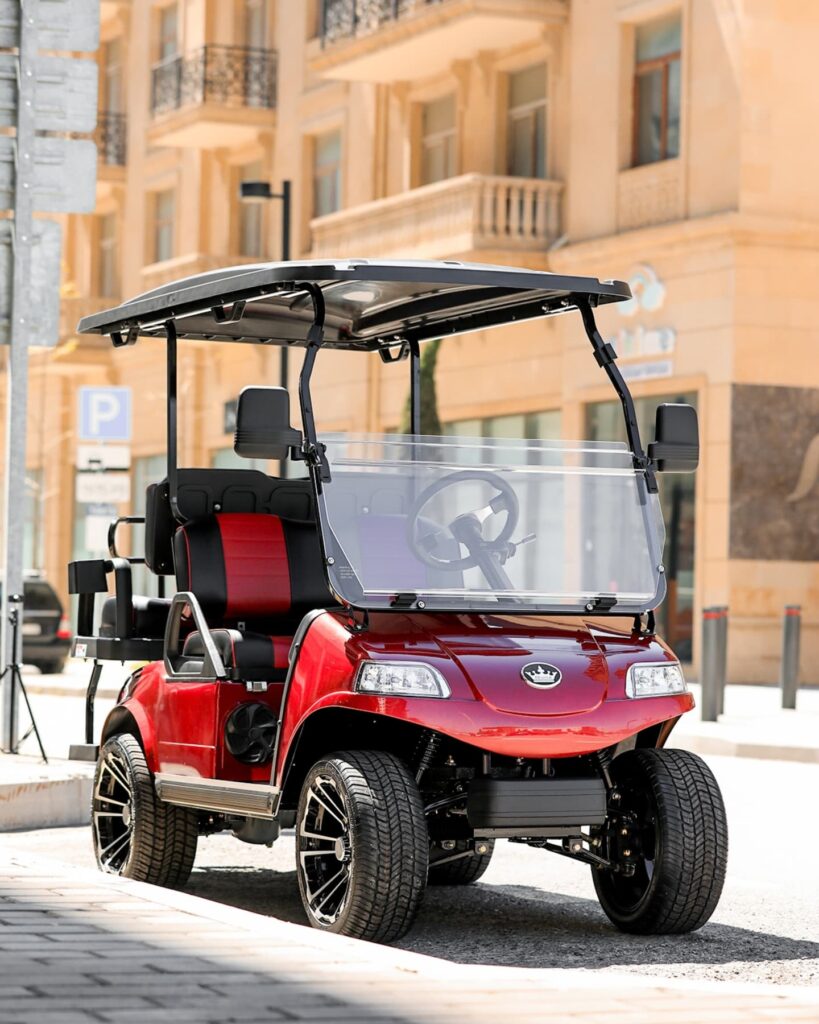
Most Car Trips Are Shorter Than You May Think
According to the Federal Highway Administration’s analysis of the 2022 National Household Travel Survey, 46% of personal-vehicle trips in the United States are less than five miles, while 69% are less than 10 miles.
These numbers raise a simple question: Do you need a full-size car for every short trip?
For highway driving, long-distance travel, severe weather, and higher-speed roads, a conventional automobile remains necessary. But when the destination is a nearby restaurant, community pool, school, park, clubhouse, or neighbor’s home, a golf cart or LSV may offer a convenient alternative where local roads and regulations permit.
Source: Federal Highway Administration – Vehicle Trip Distance
From Golf Cart to Personal Transportation
The traditional golf cart was designed around the golf course. Modern personal vehicles serve a much broader purpose.
Today’s consumers can find four- and six-passenger configurations, forward-facing seating, lithium batteries, premium seats, touchscreen displays, sound systems, phone connectivity, storage solutions, coolers, and other features designed around everyday activities.
This evolution is particularly visible in newer generations of Evolution golf carts, where vehicle design increasingly combines the familiar convenience of a golf cart with features consumers expect from modern personal transportation.
The result is a vehicle that can be enjoyed on the golf course but does not have to be defined by golf.
A Different Role for the Second Car
The opportunity becomes even more interesting when looking at household vehicle ownership.
Recent U.S. Census Bureau data shows that approximately 58% of American households have two or more vehicles available. U.S. Department of Energy analysis also indicates that secondary vehicles in multi-vehicle households typically travel considerably fewer daily miles than the household’s most-used vehicle.
For some households, that creates a new possibility.
Instead of asking whether an LSV or golf cart can replace the family car entirely, a better question may be:
Can it handle some of the short trips currently made by the second car?
For households living in golf-cart-friendly neighborhoods, master-planned communities, beach towns, resort communities, or other areas with low-speed local roads, the answer may increasingly be yes.
Evolution and the Future of Short-Distance Mobility
The future of the golf cart industry is becoming less dependent on golf itself.
Families can use personal vehicles to reach community amenities. Active adults can make short local trips without taking a full-size automobile. Neighborhood residents can travel to nearby restaurants, shops, parks, and friends’ homes. An LSV can extend that concept further by meeting applicable requirements for operation on certain public roads.
This changing use case is helping transform the golf cart from specialized recreational equipment into a new form of personal mobility.
At Evolution, we see an opportunity to design vehicles around the way people actually travel—not only around the golf course, but around their communities.
With 46% of U.S. personal-vehicle trips under five miles, short-distance transportation represents a significant opportunity for smaller electric vehicles.
The question is no longer simply, “Do you play golf?”
Increasingly, it is:
“How far do you really need to drive?”